
Below 6.0
These sites are in the early stages of readiness. Some foundational due diligence may be complete, but additional documentation and development steps are needed.
A site is rarely eliminated for being a bad site. It is eliminated when the information a site selector needs is missing, unclear, or unverified. Here is how REDI Sites evaluates that and what your site needs to participate. REDI Sites is industry- and use-agnostic. The evaluation focuses on the foundational factors that influence whether a site can advance with greater speed, certainty, and fewer surprises, regardless of the project ultimately considering it.
How It Works
Your documentation is reviewed first by Terracon, an independent engineering firm, and then by REDI Reviewers, practicing site selectors who confirm the final score and designation.
There is no pass or fail. Every site that completes the process receives a designation on a 10-point readiness index, along with a report showing where it is strong and where gaps remain.
Who Benefits?
Getting Designated
Register
Once registered, applicants submit documentation across five weighted categories of readiness through Lasso, an online property data collection database.
Submit your RFI and documentation
Answer the RFI and upload exhibits covering the scored categories.
Engineering Review
Your documentation goes to Terracon, the program's independent third-party engineering reviewer.
REDI Review
REDI Reviewers, practicing Site Selectors Guild members, review the Terracon report and have final decision authority on the site's score and designation level.
Designation
The site receives a feedback report, marketing materials and a listing in the REDI Sites database. Sites may use the REDI Sites logo and the logo for their designation level.
Designations are valid for one year. As additional due diligence is completed, a site can be resubmitted and redesignated at a higher level.
Site Rating System
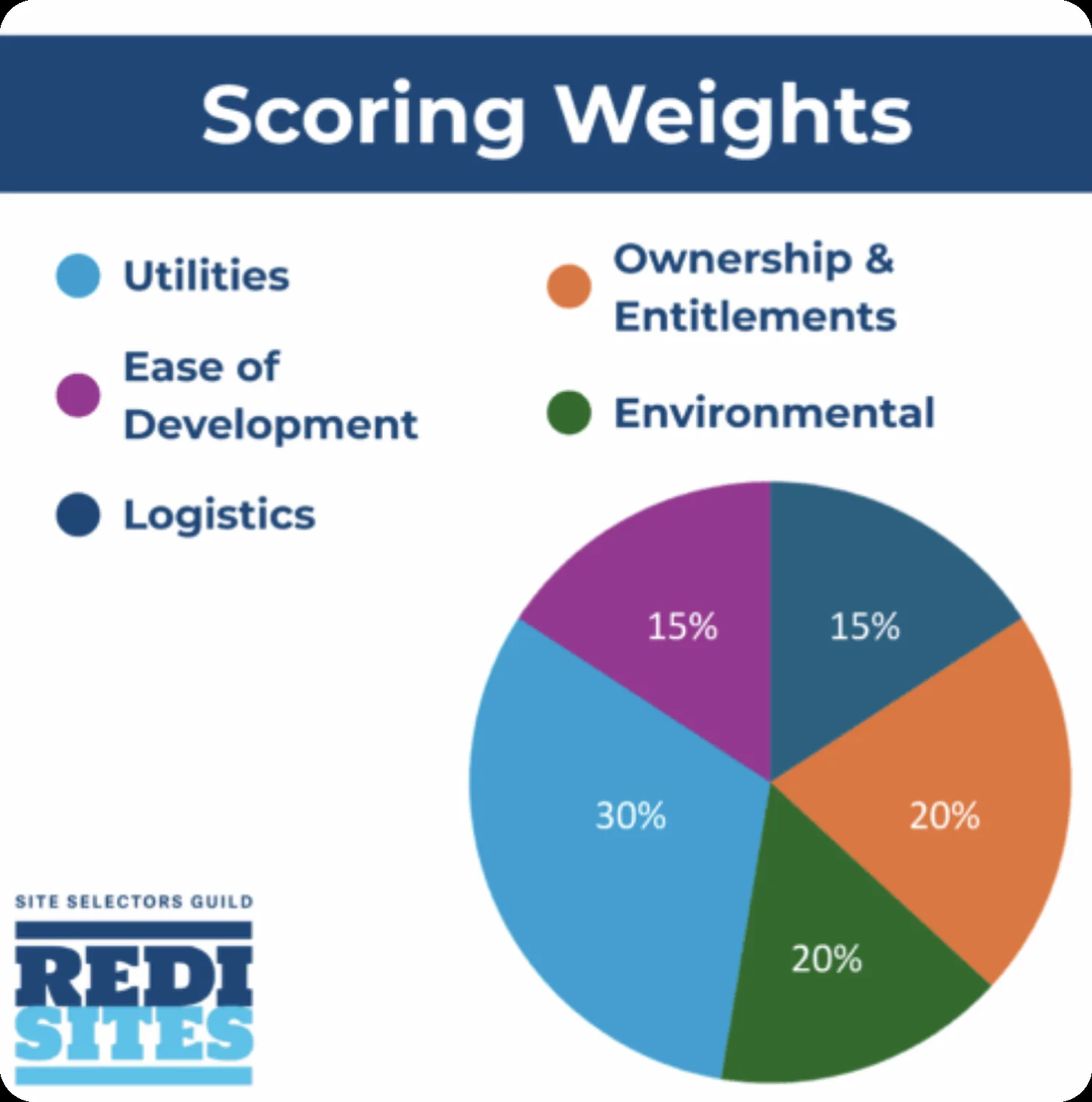
Every site is scored on a 10-point readiness scale built from five weighted categories: utilities, ownership and entitlements, environmental, ease of development, and logistics. The score reflects documented, verified readiness.
Below 6.0
These sites are in the early stages of readiness. Some foundational due diligence may be complete, but additional documentation and development steps are needed.
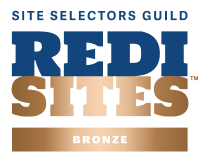
6.0 - 6.9
Sites at this level meet basic readiness standards. Core infrastructure and documentation are in place, but there may still be a few key areas requiring additional work or clarification.
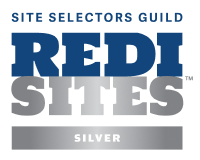
7.0 - 7.9
Sites at this level demonstrate a strong overall readiness profile, with many key elements of due diligence in place. There may still be a few areas where additional work could improve the site's competitiveness.
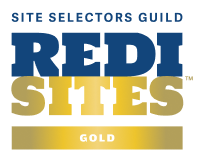
8.0 - 8.9
Gold sites reflect a high level of preparedness, with nearly all due diligence completed and minimal (if any) barriers to immediate development.
9.0 - 10.0
These are exceptional sites with comprehensive due diligence, excellent infrastructure access, and a high degree of development readiness. Platinum designations are rare and reflect the highest tier of readiness in the program.

We believe that preparing local sites for growth is one of the best investments we can make. That is why we are proud to help fund participation in the REDI Sites program. This initiative gives Kentucky's Touchstone Energy Cooperatives communities an independent, national benchmark for readiness, along with a clear roadmap of what due diligence is complete and what work lies ahead. It is a practical way we help our communities stand out and win future investments.
Ron McMahan
Associate Economic Development Manager, Kentucky's Touchstone Energy Cooperatives

When Norfolk Southern set out to build a verified sites program to promote prime rail-ready sites across our network, the Site Selectors Guild's REDI Sites Program stood out as the platinum standard. Partnering with REDI Sites not only elevates the quality and visibility of our site portfolio, it also reinforces our commitment to delivering rail-served locations that are development-ready and vetted by the very consultants who advise our target customers. This collaboration sharpens our competitive edge and strengthens our messaging to the global business community.
MaryBeth Flournoy
Director Industrial Development, Norfolk Southern

The designation enhances our credibility with site selectors, supports business attraction efforts, and reinforces our joint commitment to long-term economic growth in rural Kansas. REDI Sites is more than a designation; it's a strategic investment that helps communities and utilities prepare for growth and attract quality development projects. Recognizing the strength of partnerships, Dodge City/Ford County Economic Development, Victory Electric Cooperative, and Sunflower Electric Power Corporation collaborated to promote the Dodge City Business Park through the REDI sites program.
Mollea Lightner
Assistant Director of Economic Development, Dodge City/Ford County Development Corporation

We see the designation as more than a recognition of the work already completed. It is a platform to generate greater exposure for Fair Oaks, continue advancing the site's readiness, and position Tulsa to compete for more transformational projects that can create lasting economic impact.
Jonathan Sanders
Senior Economic Development Manager, Partner Tulsa

Receiving REDI's Platinum designations will elevate two Industrial Parks in Waterloo/Cedar Falls Iowa, even further by driving additional opportunities for business attraction domestically and internationally. The REDI designation strengthens both Parks' ability to compete for projects seeking locations capable of supporting today's accelerated development schedule.
Lisa Skubal, CEcD
Vice President of Economic Development, Grow Cedar Valley

The REDI process was thorough and helped us evaluate Schuyler County Business Park property through the same lens that site selectors and prospects use. It provided us an opportunity to update critical information that can create speedbumps in the site development process. We are receiving inquiries that may never have considered Schuyler County before.
Judy McKinney Cherry, CEcD FM
Executive Director, Schuyler County Partnership for Economic Development
What Is Evaluated
Each site receives a score from 0 to 10 based on the documentation submitted across five weighted sections. Within each section, individual categories carry their own weights. The section weights reflect what matters most to companies and the site selectors who advise them.
Primary site review criteria:
Does your site meet the minimum requirements?
Do You Have the Core Documents?
These are the documents that most often make the biggest difference in a site's designation.
| Readiness Area | What to Submit |
|---|---|
| Ownership & Entitlements | Deed showing current owner, plus a listing/option agreement or owner letter confirming the site is for sale or lease; stated price or terms |
| Survey | ALTA or boundary survey, or at minimum a legal description |
| Zoning | Current zoning and land use map, and how the intended use fits |
| Utility Will-Serve Letters | Water, wastewater, electric, natural gas, and fiber: provider, distance, capacity, who pays, and timeline to serve |
| Phase I ESA | Ideally less than 5 years old |
| Wetlands | Wetland delineation report and, if wetlands are present, a USACE Jurisdictional Determination |
| Floodplain | FEMA FIRM panel map with the site clearly outlined |
| Geotechnical | Geotechnical report or desktop subsurface study |
| Cultural Resources & T&E Species | SHPO clearance letter and a threatened and endangered species assessment |
| Access | Map showing the site, route to the nearest interstate interchange, and ingress/egress points |
Missing a few items? That is normal. Categories without documentation can be skipped, and you can level up later through redesignation.
Get the Full Scoring Scale
The complete REDI Sites scoring scale, showing every category and how points are awarded.
Download Scoring ScaleTake the first step toward a REDI Sites designation and greater credibility, visibility, and investment readiness.